
Recovering from a spinal cord injury is a lifelong process, not a single event. From the first weeks of acute rehabilitation through years of adapting daily life, managing new health needs, and rebuilding independence, SCI recovery touches nearly every part of a patient’s life. This resource center brings together practical, medically grounded guidance to help patients, families, and caregivers navigate what comes after an SCI diagnosis.
The rehabilitation decisions made in the weeks following a spinal cord injury can shape a patient’s long-term function and independence for years to come. Our breakdown of rehab options covers inpatient, outpatient, and home-based therapy and how to choose between them based on injury level and severity, while our ranked list of top rehab hospitals highlights facilities with dedicated SCI programs and staff experienced specifically in spinal cord injury care — a distinction that matters enormously, since not every rehabilitation facility has the same level of SCI-specific expertise.
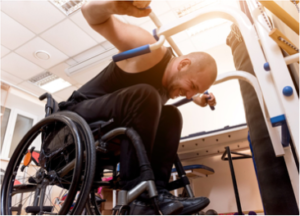 Physical therapy and targeted exercise play a central role in maximizing function after a spinal cord injury. Patients managing lower-body paralysis will find a condition-specific plan in our paraplegia exercises guide, while those managing all-limb paralysis can follow our separate quadriplegia exercises program, built around a more limited range of movement.
Spinal cord injuries affect far more than mobility, and much of long-term SCI care involves managing changes to bodily functions that most people never think about until they’re affected. Bladder and bowel function are among the most common — and most manageable, with the right approach — daily challenges patients face, which our guide to bladder and bowel management addresses directly with practical routines and tools. Breathing complications are especially common with higher-level cervical injuries, where the muscles involved in respiration may be affected, and our page on respiratory health covers what matters most for these patients in particular. Chronic pain is another frequent companion to spinal cord injury, taking the form of nerve pain, musculoskeletal pain, or referred pain, and our guide to pain management covers combining medical treatment, physical therapy, and lifestyle adjustment rather than relying on any single solution.
Adaptive equipment can dramatically expand independence for SCI patients, and getting the right combination of tools matters as much as any single piece of technology. For patients managing quadriplegia in particular, our rundown of assistive devices — wheelchairs, environmental control units, communication devices — helps separate what’s genuinely useful from what’s marketed without real benefit, while our overview of transportation options, including adaptive vehicles and hand controls, covers what’s available for wheelchair users and those with limited mobility who need to get around safely and independently.
Recovery isn’t only physical. Our resource on daily challenges after SCI speaks to the parts of recovery that rarely come up in a doctor’s appointment — from workplace adjustments to the mental health toll that often accompanies a major physical change — while our guide to sports and recreation highlights adaptive programs designed specifically for wheelchair users who want to stay active and socially connected. Financial strain is one of the most common, and most underdiscussed, challenges facing SCI families, which is why our directory of SCI charities exists to help offset the enormous costs of equipment, home modification, and long-term care that insurance often doesn’t fully cover.
The more a patient and family understand about the specific type and level of injury involved, the better equipped they are to make informed rehabilitation decisions — reviewing our spinal cord injury guide is a useful starting point for any family early in the recovery process, and staying current matters too: rehabilitation science continues to advance, from new approaches in therapy to emerging assistive technology, which is why our recovery blog shares patient stories and new treatment developments worth checking back on periodically. If you or a caregiver has questions about which resource applies to your situation, contact our team and we can help point you toward the right rehabilitation resources for your injury level and stage of recovery.
If your spinal cord injury was caused by an accident involving another party’s negligence, the cost of the recovery outlined on this page may be recoverable as part of a legal claim. Our page on SCI settlement value explains how future medical and rehabilitation costs factor into a fair settlement, since documenting long-term care needs early strengthens a claim.
Request Your FREE CONSULTATION Today!
Call (800) 883-2020 or fill out the form below to contact our team.
WILLIS LAW FIRM 5005 Riverway Drive #160 Houston, Texas 77056 Principle Place of Business | Toll-Free (800) 883-2020 – Free Case Review – All Meetings By Appointment Only
The information on this website is for general information purposes only. Nothing on this site should be taken as legal advice for any individual case or situation. This information is not intended to create, and receipt or viewing does not constitute an attorney-client relationship.
Lastly, the list of past settlements listed on this site represents decades of the largest settlements for the catastrophically injured client(s) of the Ammons Law Firm and some past settlements of the Willis Law Firm. Upon written request, a breakdown of the attorney’s fees and expenses incurred along with the net settlement to the client are available.
© 2025 All Rights Reserved. Spinal Cord Injury Lawyers.